Are LED Face Masks Safe? Side Effects, Risks, and Safety Guide
Safety is a valid concern when considering any skincare device. Are LED face masks safe to use? What about side effects? Can you use them during pregnancy? This comprehensive guide addresses every safety question about LED light therapy, backed by clinical research and regulatory standards.
In This Article:
1. Are LED Face Masks Safe?
Yes, LED face masks are considered very safe when used as directed. LED light therapy has been used in medical and dermatological settings for decades with an excellent safety profile. Unlike many skincare treatments, LED therapy is:
- Non-invasive: No needles, no incisions, no tissue damage
- Non-thermal: Doesn't generate harmful heat
- Non-ablative: Doesn't remove or damage skin layers
- UV-free: Contains no ultraviolet radiation
- Drug-free: No chemicals or foreign substances
The FDA has cleared LED devices for home use, and regulatory bodies worldwide recognise LED light therapy as a safe cosmetic treatment.
Why LED Is Considered Safe
LED light therapy uses specific wavelengths of visible and near-infrared light. These wavelengths:
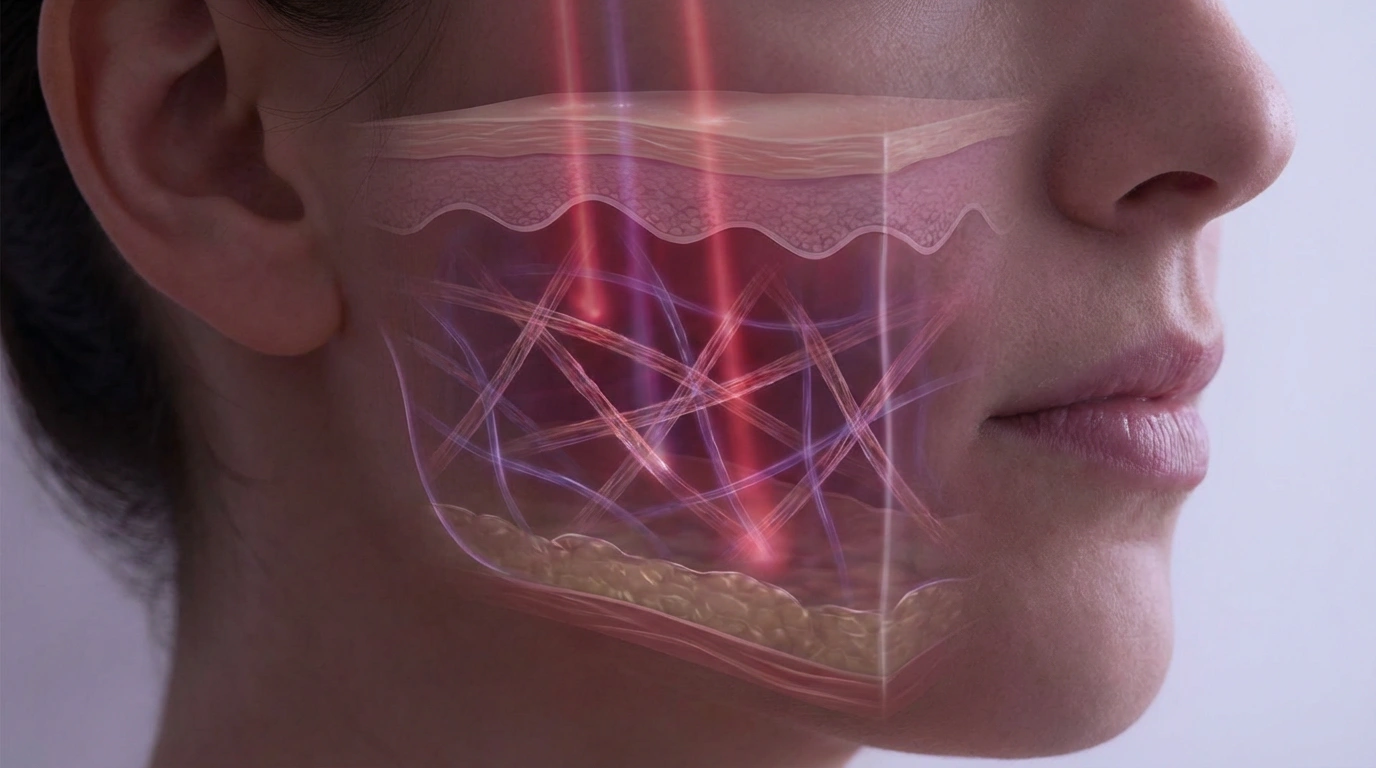
- Don't penetrate beyond skin and superficial tissue
- Don't damage DNA (unlike UV radiation)
- Don't cause burns or thermal injury at therapeutic doses
- Don't create wound healing requirements
- Have been studied extensively in clinical settings
2. LED Face Mask Side Effects
LED therapy has remarkably few side effects. Here's an honest assessment:
Common (But Rare) Side Effects
- Mild warmth: Some users feel gentle warmth during treatment—this is normal and not harmful
- Temporary redness: Slight pinkness immediately after use (usually fades within 30 minutes)
- Headache: Rare, usually from bright light sensitivity—close eyes during treatment
- Eye strain: If eyes aren't properly protected during treatment
Very Rare Side Effects
- Increased inflammation: In some individuals with active inflammatory conditions
- Hyperpigmentation: Extremely rare, usually in those with existing pigmentation disorders
What LED Masks DON'T Cause
- Burns or thermal damage
- Skin peeling or flaking
- Sun sensitivity (photosensitivity)
- Allergic reactions
- Long-term negative effects
- Cancer risk
Comparing Side Effects to Alternatives
For context, LED therapy has significantly fewer side effects than:
- Retinoids: Which cause peeling, redness, and sun sensitivity
- Chemical peels: Which require healing time
- Microneedling: Which causes redness, swelling, and recovery time
- Laser treatments: Which carry burn and pigmentation risks
3. LED Light vs UV Light: Understanding the Difference
A common concern is confusing LED light with harmful UV radiation. They are completely different:
UV Light (Harmful)
- Wavelength: 100-400nm
- Effects: Damages DNA, causes mutations, leads to skin cancer
- Skin impact: Burns, premature ageing, hyperpigmentation
- Source: Sun, tanning beds
LED Light (Safe)
- Wavelength: 400-900nm (visible and near-infrared)
- Effects: Stimulates cellular energy, promotes healing
- Skin impact: Rejuvenation, collagen production, reduced inflammation
- Source: LED face masks, light therapy panels
Key point: LED face masks do NOT emit UV radiation. They use completely different wavelengths that are beneficial rather than harmful to skin.
4. Safety for All Skin Types and Tones
One of LED therapy's greatest advantages is its safety across all skin types:
Safe for All Fitzpatrick Skin Types (I-VI)
Unlike some laser treatments and chemical peels that carry risks for darker skin tones (hyperpigmentation, burns), LED therapy is equally safe for:
- Very fair skin (Type I)
- Fair skin (Type II)
- Medium skin (Type III)
- Olive skin (Type IV)
- Brown skin (Type V)
- Dark brown/black skin (Type VI)
Why LED Is Safe for All Skin Tones
LED light doesn't target melanin (skin pigment) the way some laser treatments do. It works on cellular structures present in all skin types equally, with no risk of:
- Post-inflammatory hyperpigmentation
- Hypopigmentation (lightening)
- Burns based on skin tone
Safe for Sensitive Skin
LED therapy is often recommended for sensitive skin types because it:
- Reduces inflammation rather than causing it
- Doesn't irritate or sensitise skin
- Requires no harsh topical products
- Can help calm reactive skin conditions
5. Can You Use LED Face Mask When Pregnant?
This is one of the most frequently asked safety questions. Here's what we know:
Current Understanding
LED light therapy is generally considered safe during pregnancy because:
- Light doesn't penetrate beyond superficial tissue
- No chemicals or drugs are involved
- No thermal risk at therapeutic doses
- No known mechanism by which it could affect pregnancy
However, There Are Caveats
- Limited clinical research specifically on pregnant women
- Most manufacturers recommend consulting a healthcare provider
- During pregnancy, skin can be more sensitive and reactive
Our Recommendation
While LED therapy is not known to pose risks during pregnancy, we recommend:
- Consult your healthcare provider before use during pregnancy or nursing
- If approved, start with shorter sessions to assess tolerance
- Avoid use if you experience any unusual reactions
Nursing/Breastfeeding
The same guidance applies—LED therapy is unlikely to pose risks, but consultation with your healthcare provider is recommended due to limited specific research.
6. Medical Conditions and Contraindications
While LED therapy is safe for most people, certain conditions require caution:
Contraindications (Avoid Use)
- Photosensitising medications: Some antibiotics, retinoids, and other drugs increase light sensitivity. Consult your doctor if taking any medication.
- Active skin cancer: Any suspicious lesions should be evaluated before treatment
- Epilepsy/seizure disorders: Flashing lights can trigger seizures in photosensitive epilepsy (though most LED masks don't flash)
- Lupus: Can be photosensitive; medical clearance needed
- Porphyria: Rare genetic condition causing extreme photosensitivity
Use With Caution (Consult Doctor)
- Thyroid conditions: Treatment over thyroid area should be avoided
- Active herpes outbreak: Wait until healed
- Recent Botox/fillers: Wait 2 weeks after injections
- Recent laser treatments: Wait until skin has fully healed
- Eye conditions: Some eye diseases require consultation
Medications That May Interact
Consult your doctor if taking:
- Tetracycline antibiotics
- Sulfonamides
- Phenothiazines
- Thiazide diuretics
- Griseofulvin
- Fluoroquinolone antibiotics
- St. John's Wort
7. Eye Safety
Protecting your eyes during LED treatment is important:
Why Eye Protection Matters
While LED light isn't harmful like laser light, prolonged exposure to bright light can cause:
- Eye strain and discomfort
- Temporary vision effects
- Headaches from light sensitivity
Eye Safety Guidelines
- Keep eyes closed during treatment
- Use provided eye protection if included with device
- Don't stare directly at LEDs
- Quality devices include eye shields or covered eye areas
The Icoskin Approach
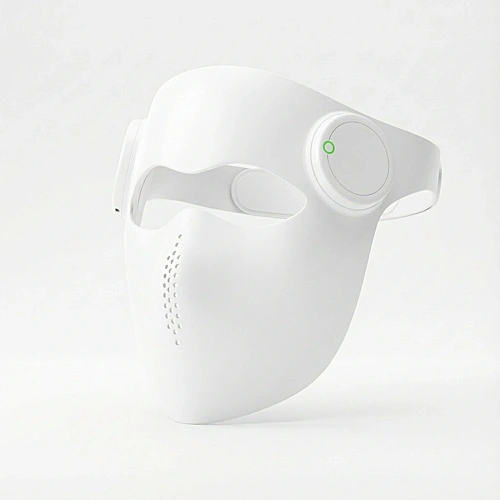
The ICOLUX 2.0 is designed with eye safety in mind—the rigid helmet design includes appropriate coverage, and users simply keep eyes closed during the 10-15 minute treatment.
8. Safety Certifications to Look For
When choosing an LED mask, verify these safety certifications:
Essential Certifications
- CE Mark: European safety conformity (required for EU/UK sale)
- RoHS Compliant: Free from hazardous substances
- FCC/EMC: Electromagnetic compatibility (safe electronics)
Additional Quality Indicators
- SGS Testing: Independent third-party validation
- FDA Clearance: For US market (Class II medical device)
- ISO Certification: Manufacturing quality standards
Red Flags
- No certifications listed
- Unknown or unverifiable certifications
- Extremely cheap devices (likely cutting safety corners)
- No instruction manual or safety information
9. Safe Usage Tips
Maximise safety with these best practices:
Before Treatment
- Read all instructions thoroughly
- Remove all makeup and products
- Check skin for open wounds or active infections
- Ensure device is in good working condition
During Treatment
- Keep eyes closed or use eye protection
- Stay with the device (don't leave unattended)
- Use timer functions to prevent over-treatment
- Stop if you experience any unusual discomfort
After Treatment
- Clean device according to instructions
- Apply sunscreen if going outdoors
- Monitor for any unusual reactions
- Store device properly
General Safety
- Don't exceed recommended treatment times
- Don't use on children without medical guidance
- Keep device away from water during use
- Don't use damaged devices
- Follow manufacturer's maintenance guidelines
Conclusion: LED Face Masks Are Safe
LED face masks have an excellent safety profile supported by decades of research and clinical use. They're:
- Safe for all skin types and tones
- Free from UV radiation
- Non-invasive and non-thermal
- Cleared by regulatory bodies worldwide
- Associated with minimal side effects
The main safety considerations are:
- Protecting eyes during treatment
- Checking medication interactions
- Consulting a doctor if pregnant or have medical conditions
- Choosing certified, quality devices
For the vast majority of users, LED face masks represent one of the safest and most accessible anti-ageing technologies available. When you choose a quality, certified device and follow usage guidelines, you can enjoy the benefits of light therapy with complete peace of mind.
Safety shouldn't be a barrier to LED therapy—it's one of the reasons to choose it over more invasive alternatives.
