How Red Light Stimulates Collagen Production
Your skin hasn't lost the ability to produce collagen—it simply needs the right stimulus. Red light therapy, backed by over 5,000 peer-reviewed studies, provides that stimulus naturally and safely. Discover the cellular mechanisms that make LED therapy one of the most significant advances in non-invasive skincare.
In This Article:
- 1. The Science of Light and Skin
- 2. Understanding Collagen: Why It Matters
- 3. How Red Light Triggers Collagen Synthesis
- 4. Clinical Evidence: What Research Shows
- 5. Why Professional-Grade Irradiance Matters
- 6. The Collagen Building Timeline
- 7. Maximising Results with Synergistic Skincare
- 8. Common Questions Answered
1. The Science of Light and Skin
Your skin is designed to respond to light. For millennia, humans have understood that sunlight influences our wellbeing—but modern science has now isolated specific wavelengths that communicate directly with our skin cells, triggering beneficial biological responses without the harmful effects of UV radiation.
Red light therapy, also known as photobiomodulation or low-level light therapy (LLLT), harnesses wavelengths between 620-700 nm to penetrate the skin's surface and interact with cellular structures. This isn't speculation or marketing—it's physics and biology working in harmony.
"Red light therapy represents one of the most significant advances in non-invasive skincare. The ability to stimulate collagen production without tissue damage is transforming how we approach skin ageing."
2. Understanding Collagen: The Foundation of Youthful Skin
Collagen is the most abundant protein in your body, comprising approximately 80% of your skin's structure. Think of it as the scaffolding that keeps your skin firm, plump, and resilient. This intricate protein network provides the structural integrity that defines youthful skin.
The Collagen Decline Timeline
From your mid-twenties, your body's collagen production begins to decline at a rate of approximately 1-1.5% per year. By your forties, you may have lost up to 20% of your skin's collagen. By sixty, that figure can exceed 40%.
This natural decline manifests as:
- Fine lines and wrinkles — particularly around the eyes, mouth, and forehead
- Loss of firmness — skin begins to sag, especially along the jawline and neck
- Reduced elasticity — skin takes longer to "bounce back" when pinched
- Thinning skin — becoming more fragile and prone to damage
- Uneven texture — larger pores and rough patches become more prominent
While this decline is natural, it's not inevitable at the pace we often experience it. Environmental factors—UV exposure, pollution, stress, poor sleep—accelerate collagen breakdown significantly. The good news? Your body never loses the ability to produce new collagen. It simply needs the right stimulus.
3. How Red Light Triggers Collagen Synthesis
Understanding how red light works requires a brief journey inside your cells. The process is elegant, natural, and remarkably effective.
Step 1: Light Absorption
When red light at 630 nm penetrates your skin (reaching depths of 2-3mm), it's absorbed by chromophores—light-sensitive molecules within your cells. The primary target is cytochrome c oxidase, an enzyme found in the mitochondria, your cells' power generators.
Step 2: Cellular Energy Production
This light absorption enhances mitochondrial function, increasing the production of adenosine triphosphate (ATP)—the energy currency of your cells. Studies show ATP production can increase by up to 150% following therapeutic red light exposure. More energy means more cellular activity.
Step 3: Fibroblast Activation
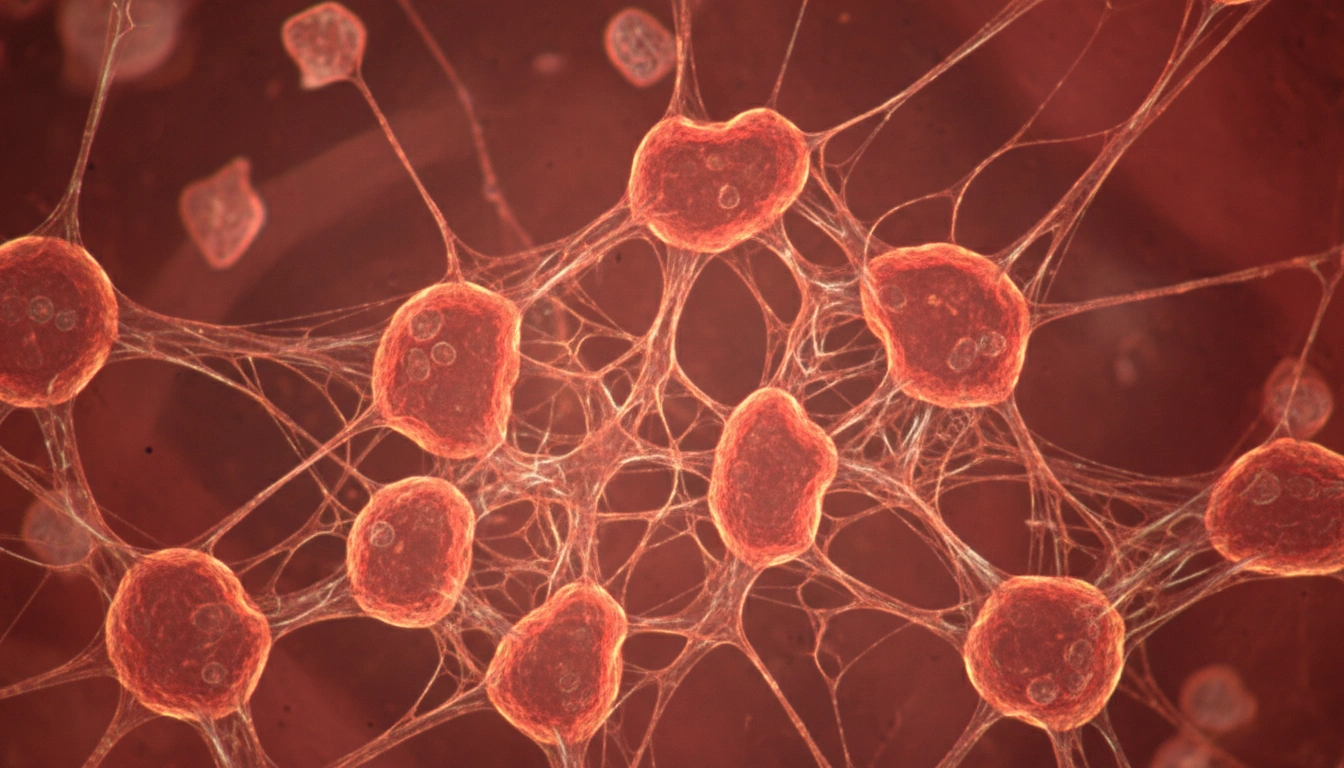
With increased ATP, your fibroblasts—the cells responsible for producing collagen—become significantly more active. Research published in the Journal of Investigative Dermatology demonstrated that red light therapy increases fibroblast proliferation by 155-171% compared to untreated skin.
Step 4: Collagen Synthesis
Activated fibroblasts begin producing procollagen, which is then assembled into mature collagen fibres. This new collagen integrates into your existing dermal matrix, gradually strengthening and firming the skin from within. The process is entirely natural—you're simply providing your cells with the energy and stimulus they need.
4. Clinical Evidence: What Research Shows
The efficacy of red light therapy isn't merely theoretical. Rigorous clinical trials have consistently demonstrated measurable improvements:
- 27% increase in collagen density
- 36% reduction in wrinkle depth
- 52% improvement in skin texture
A landmark study published in Photomedicine and Laser Surgery followed 136 participants over 12 weeks of regular red light therapy. Researchers used objective measurements including high-resolution photography, profilometry (3D skin surface analysis), and ultrasonography to assess collagen density. The results were unequivocal: significant improvements in skin roughness, fine lines, and intradermal collagen density.
Another study in the Journal of Cosmetic and Laser Therapy found that participants reported visible improvements in skin complexion, feeling, roughness, and collagen density after just 30 sessions of red light treatment.
5. Why Professional-Grade Irradiance Matters
Here's where many at-home devices fall short: light intensity, measured in milliwatts per square centimetre (mW/cm²), is critical for therapeutic effect. Too little intensity, and the light simply doesn't penetrate deeply enough or provide sufficient energy to trigger meaningful cellular response.
Most consumer LED masks deliver between 15-40 mW/cm²—often insufficient to replicate clinical results. The therapeutic threshold for meaningful collagen stimulation begins at approximately 50 mW/cm².
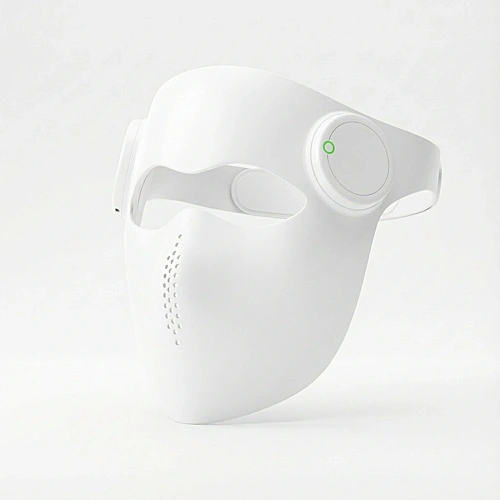
The Icoskin ICOLUX 2.0 delivers 50-105 mW/cm² at contact distance—clinical-grade irradiance validated through independent SGS human trial testing. This isn't a marketing specification; it's the difference between visible results and disappointment.
Photobiomodulation follows a dose-response curve. Insufficient intensity means insufficient cellular stimulation, regardless of how long you use the device. It's not about time spent—it's about delivering the right amount of therapeutic light energy to your cells.
6. The Collagen Building Timeline
Collagen synthesis is a biological process, not an instant transformation. Understanding the timeline helps set realistic expectations and ensures you maintain consistency through the crucial early weeks.
Days 1-14: Cellular Activation
Your cells begin responding immediately to therapeutic light. ATP production increases, fibroblasts activate, and the foundation for new collagen is being laid—though visible changes are subtle. Many women notice improved radiance and skin luminosity as circulation and cellular metabolism improve.
Weeks 3-4: Early Visible Changes
New collagen fibres are forming and integrating into your skin's structure. Fine lines begin to soften. Skin texture becomes noticeably smoother. The complexion appears more even and refreshed. This is when many women first notice their skincare products absorbing better.
Weeks 5-8: Structural Improvement
Cumulative collagen production becomes visible. Firmness improves as new collagen networks strengthen the dermis. Expression lines—those that appear with facial movement—become less pronounced. Pores may appear smaller as skin regains its tight, youthful structure.
Weeks 9-12: Transformative Results
The full impact of consistent collagen building becomes apparent. Significant improvement in skin density and elasticity. Deeper lines show visible reduction. The overall facial contour appears lifted and more defined. Friends and family begin commenting on your refreshed appearance.
Beyond 12 Weeks: Maintenance and Enhancement
With continued use, results are maintained and enhanced. Ongoing collagen production helps offset natural age-related decline. Many women reduce frequency to 3-4 sessions per week for maintenance whilst continuing to see ongoing improvements.
7. Maximising Results with Synergistic Skincare
Red light therapy doesn't exist in isolation—it works synergistically with your broader skincare routine. Understanding how to optimise this relationship amplifies your results significantly.
Before Your Treatment
- Cleanse thoroughly: Light needs direct access to your skin. Makeup, sunscreen, and heavy moisturisers create barriers that reduce light penetration.
- Avoid active ingredients: Save retinols, acids, and vitamin C for post-treatment. Clean, bare skin responds best to light therapy.
- Light exfoliation helps: Removing dead skin cells improves light penetration. Gentle exfoliation 2-3 times weekly enhances results.
After Your Treatment
- Apply collagen-supporting ingredients: Vitamin C, peptides, and retinol work synergistically with LED therapy. Your skin is primed for absorption post-treatment.
- Hydrate: Hyaluronic acid and quality moisturisers support the collagen-building process.
- Protect: Always use SPF during the day. New collagen is vulnerable to UV damage.
8. Common Questions Answered
Is red light therapy safe for all skin types?
Yes. Unlike many skincare treatments that can cause irritation or require caution with darker skin tones, red light therapy is safe for all skin types and ethnicities. There's no risk of hyperpigmentation or photosensitivity reactions.
How does this compare to collagen supplements or creams?
Topical collagen molecules are too large to penetrate the skin effectively—they sit on the surface providing hydration but not structural improvement. Supplements face digestion and bioavailability challenges. Red light therapy stimulates your own collagen production at the cellular level—the most direct and effective approach.
Can I use red light therapy alongside professional treatments?
Absolutely. Many dermatologists recommend LED therapy as an adjunct to professional treatments like microneedling, chemical peels, and laser procedures. It accelerates healing and enhances results. Always wait 24-48 hours post-procedure before resuming LED therapy.
Why choose an at-home device over clinic sessions?
Consistency is key to collagen building—daily sessions produce optimal results. Clinic visits are expensive (£100-300 per session), time-consuming, and impractical for daily use. A professional-grade home device delivers equivalent therapeutic benefit on your schedule, in your home, with unlimited sessions for a single investment.
The Icoskin Difference
Not all LED devices are created equal. The Icoskin ICOLUX 2.0 was engineered specifically to bridge the gap between ineffective consumer gadgets and expensive clinical equipment:
- 72 red LEDs at 630nm: The optimal wavelength for surface collagen stimulation, fine line reduction, and skin texture improvement.
- 50-105 mW/cm² irradiance: Clinical-grade intensity that delivers therapeutic benefit—not just a gentle glow.
- Rigid helmet design: Ensures consistent LED-to-skin distance throughout treatment. Flexible masks shift, creating uneven coverage and unpredictable results.
- Cordless operation: 15 minutes of treatment without being tethered to a power socket. True freedom to incorporate treatment into your routine.
Conclusion: Your Collagen Transformation Awaits
Red light therapy represents a genuine breakthrough in non-invasive skincare. The science is robust, the mechanism is understood, and the results are clinically documented. Unlike trendy ingredients that fade from popularity or invasive procedures that carry risk and downtime, LED therapy works with your body's natural processes to restore what time has diminished.
Your skin hasn't lost the ability to produce collagen—it simply needs the right stimulus. Red light provides that stimulus in a safe, effective, and sustainable way. The question isn't whether it works—the research is clear. The question is whether you're ready to commit to the daily ritual that transforms skin.
Fifteen minutes. Every day. Results that compound over time. This is the future of intelligent skincare—and it's available to you right now.
