LED Face Mask for Acne: Does Light Therapy Really Clear Breakouts?
Struggling with acne and wondering if an LED face mask could help? LED light therapy for acne is backed by clinical research and offers a drug-free, non-irritating approach to clearer skin. This guide explains exactly how LED masks fight acne, which wavelengths work best, and what results you can realistically expect.
In This Article:
1. Does LED Light Therapy Really Work for Acne?
Yes, LED light therapy is clinically proven to improve acne. Multiple studies demonstrate significant reductions in inflammatory acne lesions, with some showing 55-75% improvement.
The Clinical Evidence
Research published in dermatology journals consistently shows:
- Blue light therapy: 55-75% reduction in inflammatory acne
- Blue + red combination: Up to 76% improvement in acne severity
- Long-term results: Sustained improvement with ongoing treatment
- No antibiotic resistance: Unlike topical antibiotics
Why LED Works for Acne
LED therapy targets acne through multiple mechanisms:
- Kills the bacteria that cause inflammatory acne
- Reduces inflammation and redness
- Helps regulate sebum production
- Promotes healing of existing lesions
- May help prevent post-acne scarring
2. How LED Light Kills Acne Bacteria
The science behind LED acne treatment is fascinating and well-understood:
The Photodynamic Reaction
Propionibacterium acnes (P. acnes)—the bacteria responsible for inflammatory acne—naturally produces a substance called porphyrin. When specific wavelengths of light hit these porphyrins, they create reactive oxygen species (ROS).
These ROS are lethal to the bacteria, effectively destroying them from within. This is called a photodynamic reaction, and it's why LED therapy works without chemicals or drugs.
Why Blue Light Is Most Effective
Blue light at 460nm is optimally absorbed by bacterial porphyrins, making it the most effective wavelength for killing P. acnes. The bacteria cannot develop resistance to this mechanism—it's a physical reaction, not a biological one.
No Antibiotic Resistance
Unlike topical or oral antibiotics, bacteria cannot become resistant to LED light therapy. The photodynamic destruction mechanism bypasses the resistance pathways that make antibiotic treatment increasingly problematic.
3. Blue Light LED for Acne: The Antibacterial Wavelength
Blue light (460nm) is the primary wavelength for treating acne:
What Blue Light Does
- Destroys P. acnes bacteria: Through photodynamic reaction
- Reduces bacterial load: Fewer bacteria = fewer breakouts
- May regulate sebum: Some evidence for reduced oil production
- Anti-inflammatory: Calms redness around lesions
Blue Light Clinical Results
- 55-75% reduction in inflammatory lesions
- Improvement typically visible within 4 weeks
- Results continue to improve with ongoing use
- Minimal side effects compared to medications
Penetration Depth
Blue light penetrates only about 0.5mm—just enough to reach the sebaceous glands and hair follicles where P. acnes bacteria reside. This surface-level action is exactly what's needed for acne treatment.
4. Red Light LED for Acne: Healing and Anti-Inflammatory
While blue light kills bacteria, red light (630nm) plays a crucial supporting role:
What Red Light Does for Acne
- Reduces inflammation: Calms redness and swelling
- Accelerates healing: Lesions resolve faster
- Promotes tissue repair: May reduce scarring risk
- Stimulates collagen: Helps repair acne-damaged skin
Why Red Light Matters for Acne
Acne isn't just about bacteria—it's an inflammatory condition. Even after bacteria are killed, inflammation persists. Red light addresses this inflammation, helping lesions heal faster and with less scarring.
Red Light for Acne Scars
For those dealing with acne scarring, red light therapy can help:
- Stimulates collagen to fill in depressed scars
- Improves skin texture and smoothness
- Reduces post-inflammatory redness
- Supports ongoing skin repair
5. Blue and Red Light Combined: The Most Effective Approach
Research shows that combining blue and red light produces better results than either wavelength alone:
Combined Treatment Benefits
- Blue light: Kills acne-causing bacteria
- Red light: Reduces inflammation and promotes healing
- Together: Addresses both causes and symptoms of acne
Clinical Evidence for Combination Therapy
A landmark study in the British Journal of Dermatology found:
- 76% improvement in inflammatory lesions with blue + red light
- Results superior to blue light alone (67%)
- Results superior to red light alone (52%)
- Faster healing and less inflammation
How to Use Combined Treatment
Depending on your device:
- Simultaneous: Some devices emit both wavelengths together
- Sequential: Blue light first, then red light
- Alternating: Blue light sessions some days, red light others
6. What Acne Results to Expect from LED
Setting realistic expectations helps you commit to treatment:
Timeline for Acne Improvement
Week 1-2:
- Bacteria population beginning to reduce
- Some users notice fewer new breakouts
- Existing inflammation may start calming
Week 3-4:
- Visible reduction in active breakouts
- Less redness and inflammation
- Skin beginning to look clearer
Week 5-8:
- Significant improvement in acne severity
- Fewer new lesions forming
- Existing lesions healing faster
Week 9-12:
- Maximum improvement achieved
- Maintenance phase begins
- Clear, calmer skin
What LED Cannot Do for Acne
- Cure hormonal acne at its source (hormones still fluctuate)
- Replace dermatologist care for severe cystic acne
- Work with inconsistent use
- Remove deep, established acne scars (helps prevent new ones)
7. LED Treatment Protocol for Acne
Follow this protocol for best results:
Active Breakout Phase
- Frequency: Daily treatment, can do twice daily for severe acne
- Duration: 10-15 minutes per session
- Wavelength: Blue light primarily, or blue + red combination
- Timeline: Continue until breakouts significantly reduce (4-8 weeks)
Maintenance Phase
- Frequency: 3-4 times weekly
- Duration: 10-15 minutes per session
- Wavelength: Blue light or combination
- Purpose: Prevent recurrence, maintain clear skin
Flare-Up Protocol
When you feel a breakout coming:
- Return to daily treatment immediately
- Consider twice-daily sessions
- Continue until flare-up resolves
- Return to maintenance schedule
Optimal Treatment Tips
- Treat on clean skin (no products blocking light)
- Be consistent—sporadic use doesn't work
- Combine with non-comedogenic skincare
- Don't pick at lesions (let LED work)
8. LED vs Other Acne Treatments
How does LED compare to other acne treatments?
LED vs Benzoyl Peroxide
- LED advantage: No drying, no bleaching fabrics, no irritation
- Benzoyl peroxide advantage: Immediate, strong antibacterial action
- Verdict: Can be combined; LED for sensitive skin or as primary treatment
LED vs Salicylic Acid
- LED advantage: No irritation, works differently (not exfoliation)
- Salicylic acid advantage: Unclogs pores, exfoliates
- Verdict: Complementary—use salicylic acid for exfoliation, LED for antibacterial
LED vs Topical Antibiotics
- LED advantage: No antibiotic resistance, no side effects
- Antibiotic advantage: May work faster for some
- Verdict: LED preferred long-term; no resistance concerns
LED vs Oral Antibiotics
- LED advantage: No systemic effects, no gut disruption, no resistance
- Oral antibiotic advantage: Addresses acne from inside
- Verdict: LED as first-line or maintenance; oral antibiotics for severe cases only
LED vs Retinoids
- LED advantage: No irritation, no sun sensitivity, immediate use
- Retinoid advantage: Addresses cell turnover, prevents clogged pores
- Verdict: Excellent combination—LED for bacteria, retinoids for prevention
LED vs Accutane (Isotretinoin)
- LED advantage: No side effects, no monitoring required, safe long-term
- Accutane advantage: Most effective for severe cystic acne
- Verdict: LED for mild-moderate acne; Accutane for severe, resistant cases
9. Who Benefits Most from LED Acne Treatment?
Ideal Candidates
- Mild to moderate inflammatory acne: Best response rates
- Those who can't tolerate harsh products: Sensitive skin types
- Antibiotic-resistant acne: LED bypasses resistance
- Maintenance after other treatments: Preventing recurrence
- Adult acne sufferers: Often also benefit from anti-ageing effects
- Those wanting drug-free treatment: No chemicals or medications
May Need Additional Treatment
- Severe cystic acne: May need dermatologist intervention
- Hormonal acne: LED helps symptoms but doesn't address hormones
- Comedonal acne (blackheads/whiteheads): LED works best on inflammatory acne
Combining LED with Other Treatments
LED works well alongside:
- Gentle cleansers and non-comedogenic moisturisers
- Retinoids (use at night, LED anytime)
- Niacinamide (anti-inflammatory support)
- Professional treatments (enhances results)
10. Frequently Asked Questions
How long does it take for LED to clear acne?
Most users see noticeable improvement within 4 weeks, with significant results by 8-12 weeks. Initial reduction in new breakouts often occurs within 1-2 weeks.
Can LED make acne worse initially?
Rarely. Some users experience a brief "purging" as bacteria die off, but this is uncommon. If acne worsens significantly, consult a dermatologist.
How often should I use LED for acne?
Daily treatment during active breakouts, reducing to 3-4 times weekly for maintenance once skin is clear.
Can I use LED with my acne medications?
Generally yes. LED doesn't interact with topical treatments. Apply medications after LED treatment. Consult your dermatologist if on oral medications.
Will LED help with acne scars?
Red light therapy can help improve the appearance of acne scars by stimulating collagen production. It's more effective for newer scars and post-inflammatory redness than deep, established scarring.
Is LED safe for teenage acne?
Yes, LED is safe for teenagers and is often preferable to harsh chemicals or antibiotics. Adult supervision recommended for younger users.
Can hormonal acne be treated with LED?
LED helps manage the symptoms of hormonal acne (kills bacteria, reduces inflammation) but doesn't address the underlying hormonal cause. It's still beneficial as part of a comprehensive approach.
Conclusion: LED as Part of Your Acne Solution
LED light therapy is a proven, effective treatment for acne that offers unique advantages:
- Scientifically validated with clinical research
- No antibiotic resistance—works indefinitely
- No irritation or side effects
- Can be combined with other treatments
- Addresses bacteria and inflammation
- Safe for all skin types and ages
For mild to moderate acne, LED therapy can be a primary treatment. For more severe cases, it's an excellent addition to your dermatologist's recommendations.
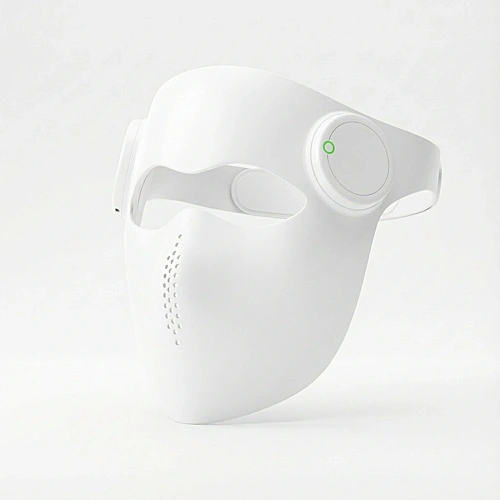
The Icoskin ICOLUX 2.0 includes 72 blue LEDs (460nm) specifically for acne treatment, alongside red and near-infrared for complete skin health—addressing breakouts while preventing the signs of ageing.
