LED Light Therapy at Home vs Clinic: Which Is Better?
Should you invest in an at-home LED device or continue visiting clinics for light therapy treatments? This comprehensive comparison examines the real differences between home and professional LED therapy—including cost, effectiveness, convenience, and results—to help you make the right decision for your skincare goals.
In This Article:
1. LED Light Therapy at Home vs Clinic: Overview
The LED therapy landscape has changed dramatically. What was once exclusively a clinic treatment is now available in professional-grade home devices. But are home devices truly comparable to clinic treatments?
Clinic LED Therapy
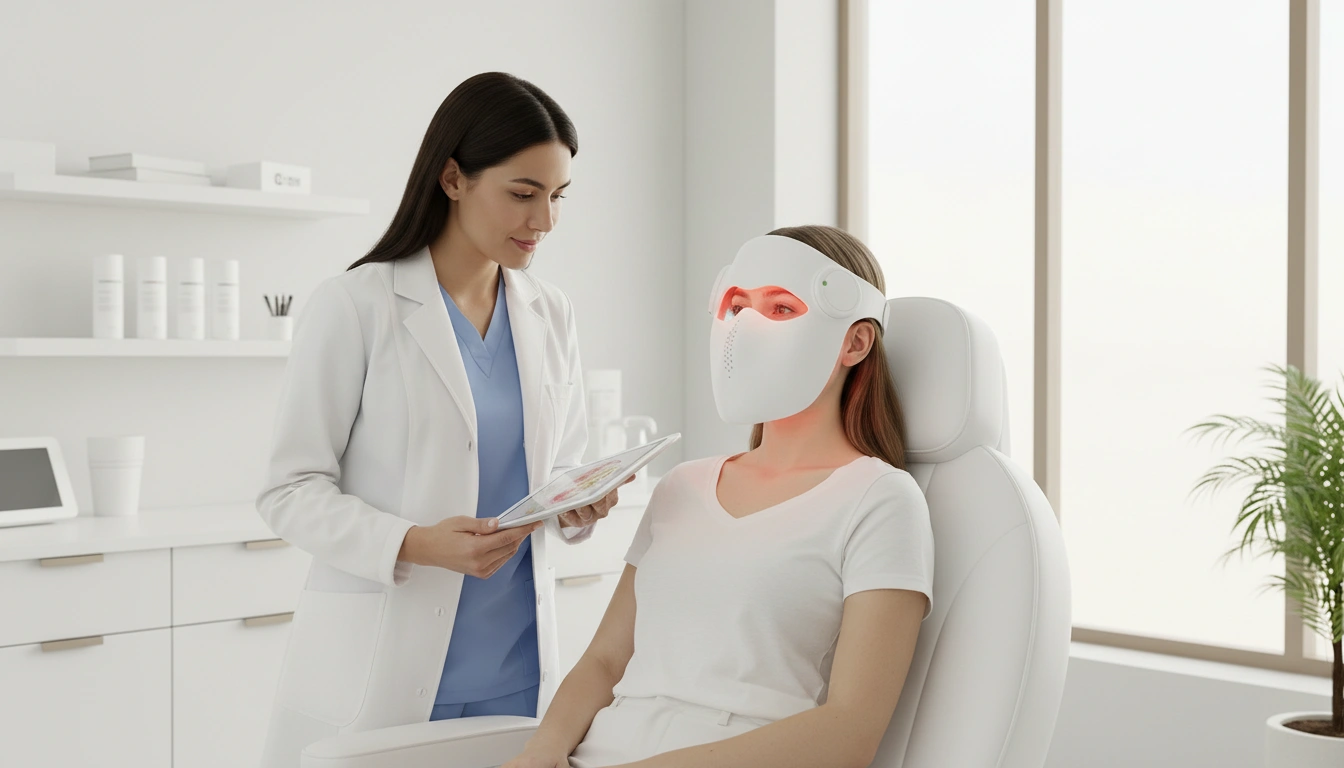
Professional LED treatments are performed by aestheticians or dermatologists using medical-grade equipment. Sessions typically last 20-30 minutes and cost £100-300 per treatment.
At-Home LED Therapy
Home LED devices range from basic consumer products to professional-grade systems. Quality devices now deliver clinical-level specifications, allowing unlimited treatments for a one-time investment.
The Key Question
The real comparison isn't "home vs clinic" in general—it's about whether quality home devices can match clinic results. The answer depends entirely on the device you choose.
2. Effectiveness: Can Home LED Match Clinic Results?
This is the crucial question. Let's examine the factors that determine effectiveness:
What Makes LED Therapy Effective
Regardless of location, LED effectiveness depends on:
- Light intensity (irradiance): Must reach therapeutic threshold
- Wavelength precision: Must be at research-validated frequencies
- Treatment consistency: Regular sessions over time
- Proper technique: Correct distance and duration
Clinic Specifications
Professional clinic devices typically deliver:
- 50-150 mW/cm² irradiance
- Precise wavelengths (630nm, 850nm, 460nm)
- Multiple treatment heads/panels
- Professional operation
Professional-Grade Home Devices
Quality home devices now match these specifications:
- 50-105 mW/cm² irradiance (clinical range)
- Same precision wavelengths
- Full facial coverage
- Third-party tested and certified
The Verdict on Effectiveness
A professional-grade home device delivering 50+ mW/cm² at correct wavelengths will produce results equivalent to clinic treatments. The physics and biology are identical—light at the correct intensity and wavelength triggers the same cellular response regardless of where you are.
3. Cost Analysis: Home LED vs Clinic Treatments
The financial comparison strongly favours home devices:
Clinic LED Therapy Costs
- Per session: £100-300 (UK average)
- Initial course: 10-12 sessions recommended
- Initial investment: £1,000-3,600
- Maintenance: Monthly sessions at £100-300 each
- Annual cost: £2,000-5,000+ ongoing
Professional-Grade Home Device Costs
- One-time purchase: £400-700 for quality device
- Unlimited treatments: Daily use for years
- Annual cost after year 1: £0 (electricity negligible)
- Replacement: Quality devices last 5-10+ years
Cost Per Treatment Comparison
| Scenario | Clinic | Home Device (£599) |
|---|---|---|
| First 12 treatments | £1,200-3,600 | £599 total |
| Cost per treatment (year 1, daily use) | £150 average | £1.64 |
| Cost per treatment (year 2+) | £150 average | Virtually free |
Break-Even Analysis
A £599 home device pays for itself after just 4-6 clinic sessions. After that, every home treatment is essentially free.
4. Convenience: The Hidden Factor
Convenience significantly impacts treatment consistency—and consistency determines results:
Clinic Inconveniences
- Scheduling: Must book appointments weeks ahead
- Travel time: Getting to and from appointments
- Waiting: Even with appointments, waiting happens
- Frequency limits: Weekly treatments at most (often less)
- Life disruption: Must work around appointment times
- Availability: Clinics close evenings/weekends
Home Treatment Convenience
- No scheduling: Treat whenever suits you
- No travel: Use in your own home
- No waiting: Start immediately
- Daily treatment: Optimal frequency possible
- Flexibility: Morning, evening, weekends
- Multitasking: Read, listen to podcasts, relax during treatment
The Consistency Advantage
LED therapy requires consistent, regular treatment for best results. The convenience of home treatment makes daily use sustainable:
- Clinic: Realistically 1-2 treatments per week maximum
- Home: Daily treatment easily achievable
- Result: Home users often achieve better results due to higher treatment frequency
5. Technology and Specifications Comparison
Let's compare the actual technology:
Clinic Equipment
Advantages:
- Often higher maximum intensity
- Multiple treatment heads/panels
- Regular maintenance and calibration
- Professional operation
Considerations:
- Not all clinics use premium equipment
- Some use outdated technology
- Quality varies significantly between clinics
Professional-Grade Home Devices
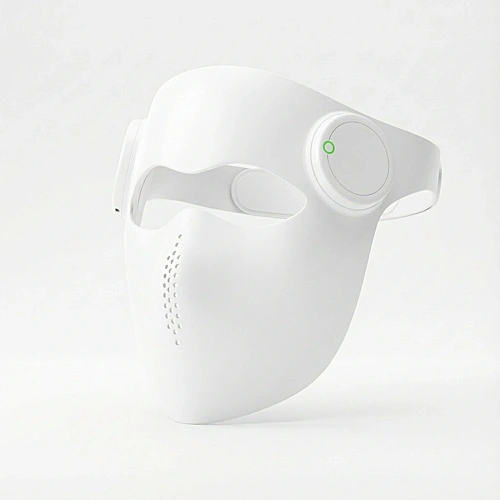
The ICOLUX 2.0 specifications:
- 50-105 mW/cm² irradiance (clinical range)
- 216 medical-grade LEDs
- Three wavelengths: 630nm, 850nm, 460nm
- SGS human trial tested
- CE, RoHS, FCC/EMC certified
These specifications match or exceed many clinic devices. The key is choosing a quality home device—not all are equal.
Consumer vs Professional-Grade Home Devices
There's a crucial distinction:
- Budget home devices (£30-150): Often 15-40 mW/cm², unlikely to produce clinical results
- Professional-grade home devices (£400-700): 50+ mW/cm², match clinic specifications
6. Results Comparison
When comparing like-for-like specifications:
Clinical Study Results
Research on LED therapy shows consistent results regardless of setting:
- Collagen increase: 27% after 12 weeks
- Wrinkle reduction: Up to 36%
- Texture improvement: Up to 52%
These results depend on light parameters, not location.
Home Treatment Advantage
Some studies suggest home users may achieve better results:
- Higher frequency: Daily vs weekly treatments
- Better consistency: No missed appointments
- Longer treatment periods: Unlimited use vs course-based
When Clinic May Be Better
- Combination treatments (LED + other modalities)
- Professional skin assessment
- Addressing specific medical conditions
- Access to prescription-strength treatments
7. Pros and Cons Summary
Clinic LED Therapy
Pros:
- Professional guidance and assessment
- No upfront investment
- Access to combination treatments
- Someone else does the work
Cons:
- High ongoing cost (£2,000+ annually)
- Scheduling limitations
- Travel time and inconvenience
- Limited treatment frequency
- Results depend on clinic quality
At-Home LED Therapy (Professional-Grade Device)
Pros:
- One-time investment, unlimited treatments
- Daily treatment possible
- Complete convenience and flexibility
- Better long-term value
- Privacy of your own home
- Treatment when it suits you
Cons:
- Upfront investment required
- No professional guidance (unless sought separately)
- Self-discipline needed for consistency
- Must choose quality device (not all are effective)
8. Who Should Choose What?
Choose Clinic If:
- You want professional assessment of skin concerns
- You're combining LED with other professional treatments
- You can't commit to consistent home use
- You have specific medical conditions requiring supervision
- Budget isn't a primary concern
Choose Home Device If:
- You want best long-term value
- You can commit to consistent daily use
- Convenience and flexibility matter to you
- You want unlimited treatments
- You're comfortable with self-administered treatment
- You're investing in a quality, professional-grade device
The Typical Journey
Many users follow this path:
- Try LED at a clinic or facial
- See initial results and want to continue
- Realise ongoing clinic cost is unsustainable
- Invest in quality home device
- Achieve better results due to daily treatment
- Return to clinic only for combination treatments or assessments
9. The Hybrid Approach
You don't have to choose exclusively—many people combine both:
Best of Both Worlds
- Home device: Daily maintenance and ongoing treatment
- Occasional clinic visits: Professional facials combining LED with other treatments
- Annual assessments: Professional skin analysis to track progress
When to Use Clinic
- Initial skin assessment before starting treatment
- Special occasions (pre-wedding facial, etc.)
- Combination treatments (LED + microneedling, etc.)
- Periodic professional evaluation
When to Use Home Device
- Daily maintenance treatment
- Ongoing anti-ageing protocol
- Acne management
- Post-procedure recovery
- Between clinic appointments
10. Making Your Decision
The decision comes down to your priorities:
If Value Matters
A professional-grade home device is the clear winner. The maths is simple: one device costs less than a standard clinic course and provides unlimited lifetime treatments.
If Results Matter
With a quality home device (50+ mW/cm² irradiance), home treatment can match or exceed clinic results—primarily because you can treat daily rather than weekly.
If Convenience Matters
Home treatment wins decisively. No appointments, no travel, no waiting—just effective treatment whenever suits you.
The Bottom Line
For most people, a professional-grade home LED device is the smarter investment:
- Better value: Pays for itself in 4-6 clinic sessions
- Better results: Daily treatment outperforms weekly
- Better convenience: Treatment on your schedule
- Same technology: Clinical-grade specifications available at home
The Icoskin ICOLUX 2.0 delivers clinical-grade specifications (50-105 mW/cm², three research-validated wavelengths, SGS tested) for the price of 4-6 clinic sessions—with unlimited treatments for years to come.
