Red Light Therapy for Face: The Complete Science-Based Guide
Red light therapy for face treatments has revolutionised at-home skincare, offering clinical-grade anti-ageing benefits without invasive procedures. This comprehensive guide explores exactly how red light therapy works on facial skin, what the science says, and how to achieve optimal results from this powerful technology.
In This Article:
- 1. What Is Red Light Therapy for Face?
- 2. The Science Behind Facial Red Light
- 3. Red Light Therapy Face Benefits
- 4. Red Light and Collagen Production
- 5. Red Light Therapy for Wrinkles
- 6. Red Light for Skin Tone and Texture
- 7. Red Light vs Near-Infrared for Face
- 8. How to Use Red Light Therapy on Face
- 9. Choosing a Red Light Device
- 10. Results Timeline
1. What Is Red Light Therapy for Face?
Red light therapy (RLT) uses specific wavelengths of red light—typically around 630nm—to stimulate cellular processes in facial skin. Unlike UV light, red light doesn't damage skin; instead, it energises cells to function more youthfully.
The Core Principle
Red light therapy works through a process called photobiomodulation. When red light at the correct wavelength penetrates your skin, it's absorbed by photoreceptors in your cells' mitochondria—the cellular powerhouses. This absorption triggers a cascade of beneficial responses.
Historical Development
Red light therapy isn't new technology:
- 1960s: NASA began studying light's effects on plant growth
- 1990s: NASA discovered red light accelerates wound healing
- 2000s: Dermatological research expanded into anti-ageing applications
- 2010s onwards: Consumer devices brought clinic-grade technology home
Why 630nm Is Optimal
Research has identified 630nm (±10nm) as the optimal wavelength for facial skin benefits. This specific frequency:
- Penetrates to the dermal layer (2-3mm deep)
- Is maximally absorbed by cytochrome c oxidase in mitochondria
- Triggers the strongest collagen response
- Delivers consistent, predictable results
2. The Science Behind Facial Red Light Therapy
Understanding the mechanism helps you appreciate why red light therapy works:
Cellular Energy Production
Red light is absorbed by cytochrome c oxidase, an enzyme in the mitochondrial electron transport chain. This absorption:
- Increases ATP (adenosine triphosphate) production
- ATP is cellular energy—more ATP means more active, youthful cells
- Energised cells perform all functions more efficiently
Fibroblast Stimulation
Fibroblasts are the cells that produce collagen and elastin. Red light therapy:
- Increases fibroblast proliferation by 155-171%
- Stimulates fibroblasts to produce more collagen
- Enhances the quality of collagen produced
- Reactivates dormant fibroblasts in ageing skin
Circulation Enhancement
Red light triggers nitric oxide release, which:
- Dilates blood vessels
- Increases blood flow to treated areas
- Delivers more oxygen and nutrients to skin cells
- Removes metabolic waste more efficiently
Anti-Inflammatory Effects
Red light therapy reduces pro-inflammatory cytokines and increases anti-inflammatory mediators:
- Reduces chronic low-grade inflammation (a major ageing factor)
- Calms irritated, reactive skin
- Helps resolve redness and sensitivity
3. Red Light Therapy Face Benefits
The benefits of red light therapy for facial skin are extensive and well-documented:
Anti-Ageing Benefits
- Collagen boost: 27%+ increase in collagen density
- Wrinkle reduction: Up to 36% improvement in wrinkle depth
- Improved firmness: Skin feels tighter and more supportive
- Enhanced elasticity: Better "bounce back" in skin
Skin Quality Improvements
- Refined texture: Smoother, more even surface
- Smaller pores: Tighter skin = less visible pores
- Natural radiance: Healthy glow from improved circulation
- Even tone: Reduced discolouration and redness
Healing and Recovery
- Faster healing: Accelerated tissue repair
- Reduced scarring: Better wound healing outcomes
- Post-procedure recovery: Enhances results from other treatments
- Sun damage repair: Helps reverse photoageing
Skin Health
- Reduced inflammation: Calmer, less reactive skin
- Enhanced product absorption: Skincare works better
- Improved hydration: Healthier skin barrier function
- Cellular rejuvenation: Cells function more youthfully
4. Red Light Therapy and Collagen Production
Collagen is the foundation of youthful skin, and red light therapy is one of the most effective ways to stimulate its production:
The Collagen Problem
Collagen production naturally declines with age:
- After age 25, production drops approximately 1% per year
- By age 40, you've lost significant collagen density
- This loss causes wrinkles, sagging, and thinning skin
- External factors (sun, pollution, stress) accelerate decline
How Red Light Restores Collagen
Red light therapy addresses collagen loss through multiple mechanisms:
1. Direct Fibroblast Stimulation
- Light energy activates dormant fibroblasts
- Activated fibroblasts produce new collagen
- Studies show 155-171% increase in fibroblast activity
2. Gene Expression Changes
- Red light upregulates collagen-producing genes
- Increases type I and type III collagen synthesis
- Enhances procollagen production
3. Matrix Metalloproteinase Regulation
- MMPs break down collagen
- Red light helps regulate MMP activity
- Less collagen destruction = better net gain
Clinical Evidence for Collagen Increase
Research consistently demonstrates red light's collagen benefits:
- 27% increase in collagen density after 12 weeks (clinical study)
- Measurable improvement in skin thickness
- Ultrasonographic confirmation of dermal changes
- Histological evidence of new collagen formation
5. Red Light Therapy for Facial Wrinkles
Wrinkle reduction is one of the most documented benefits of red light therapy:
How Red Light Reduces Wrinkles
Wrinkles form when collagen and elastin break down. Red light therapy:
- Stimulates new collagen that "fills in" wrinkles
- Strengthens skin structure to prevent deepening
- Improves skin density and thickness
- Enhances elasticity so skin bounces back
Clinical Results for Wrinkles
Studies show significant wrinkle improvement:
- 36% reduction in wrinkle depth
- Periorbital wrinkles (crow's feet): Particularly responsive
- Forehead lines: Measurable improvement
- Nasolabial folds: Moderate improvement
Which Wrinkles Respond Best
- Fine lines: Best response—can significantly diminish
- Surface wrinkles: Good response with consistent treatment
- Expression lines: Soften and become less pronounced
- Deep static wrinkles: Improve but may need additional treatments
Wrinkle Prevention
Red light therapy isn't just for existing wrinkles—it's powerful for prevention:
- Maintains collagen levels before significant loss
- Keeps fibroblasts active and productive
- Reduces oxidative stress that causes premature ageing
- Preserves skin structure before damage occurs
6. Red Light Therapy for Skin Tone and Texture
Beyond wrinkles, red light therapy significantly improves overall skin quality:
Skin Texture Improvement
Clinical studies show 52% improvement in skin texture with consistent treatment:
- Smoother surface with reduced roughness
- More refined, polished appearance
- Reduced "orange peel" texture
- Better light reflection (natural glow)
Pore Appearance
While red light doesn't change pore size, it improves their appearance:
- Tighter surrounding skin makes pores less visible
- Improved skin texture reduces pore prominence
- Better overall skin quality minimises pore focus
Skin Tone Benefits
- Reduced redness: Anti-inflammatory effects calm skin
- More even colour: Less blotchiness and discolouration
- Natural radiance: Improved circulation creates healthy glow
- Brighter complexion: Cellular renewal refreshes appearance
The "Healthy Skin" Effect
Perhaps the most noticeable result is the overall improvement in skin health. Users consistently report:
- Skin looks "healthier" and more vibrant
- Makeup applies more smoothly
- Skin feels more resilient and balanced
- Compliments on looking "well-rested"
7. Red Light vs Near-Infrared for Face
Understanding the difference between red and near-infrared light helps optimise your treatment:
Red Light (630nm)
- Penetration: 2-3mm (dermis)
- Primary target: Collagen-producing fibroblasts
- Main benefits: Collagen, texture, fine lines
- Best for: Surface-level rejuvenation
Near-Infrared (850nm)
- Penetration: 5-10mm (deep dermis and beyond)
- Primary target: Deep tissue, elastin
- Main benefits: Firmness, elasticity, deep healing
- Best for: Structural support, sagging
Why Use Both
The most effective approach combines both wavelengths:
- Red: Addresses collagen in the dermis
- NIR: Addresses elastin in deeper tissue
- Together: Complete rejuvenation at every skin level
The Icoskin Approach
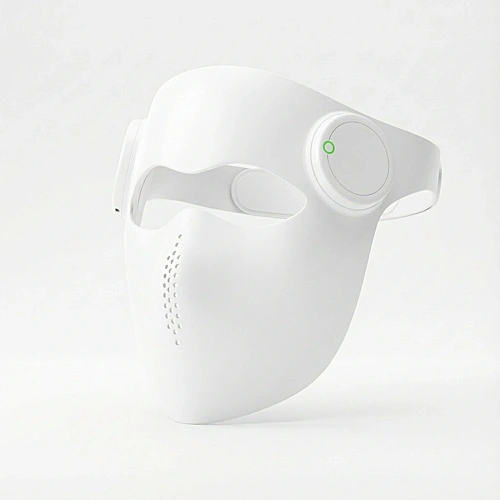
The ICOLUX 2.0 includes both 630nm red and 850nm near-infrared LEDs, allowing simultaneous or sequential treatment for comprehensive facial rejuvenation.
8. How to Use Red Light Therapy on Face
Proper technique ensures optimal results:
Before Treatment
- Cleanse face thoroughly—remove all makeup and products
- Pat skin dry
- No serums, oils, or sunscreen (these can block light)
During Treatment
- Position device at consistent distance from skin
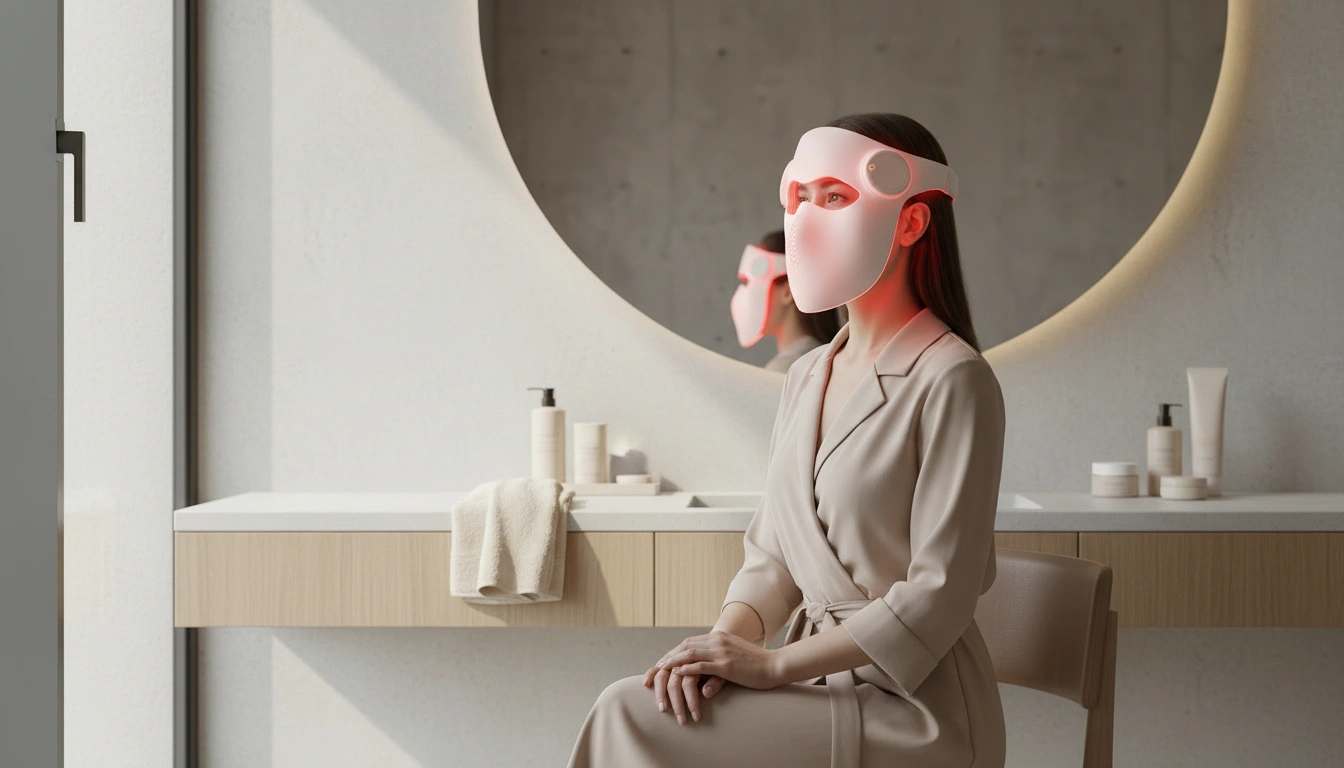
- Treat for 10-15 minutes with clinical-grade device
- Keep eyes closed (even with eye protection)
- Relax—many find treatment meditative
After Treatment
- Apply skincare immediately (enhanced absorption)
- Vitamin C, peptides, and retinol work well post-treatment
- Always use SPF during daytime
Frequency
- Transformation phase (12 weeks): Daily treatment
- Maintenance: 4-5 times weekly
- Minimum effective: 3 times weekly
9. Choosing a Red Light Therapy Device for Face
Not all devices are equal. Here's what matters:
Essential Specifications
- Wavelength: 630nm (±10nm) for red light
- Irradiance: 50+ mW/cm² for therapeutic effect
- Coverage: Full face treatment capability
- Certifications: CE, RoHS, third-party testing
Device Types
- LED masks: Hands-free, full coverage, most convenient
- Panels: Versatile but require holding position
- Wands: Targeted treatment but time-consuming for full face
Why Intensity Matters
Low-power devices (under 50 mW/cm²) rarely produce therapeutic results. The light intensity must reach the threshold for cellular stimulation—weak light, no matter how long applied, won't trigger the collagen response.
10. Red Light Therapy Face Results Timeline
Understanding the timeline helps maintain realistic expectations:
Weeks 1-2
- Cellular energy increasing
- Fibroblasts activating
- Subtle improvement in radiance
- Most changes occurring beneath surface
Weeks 3-4
- Visible improvement in skin luminosity
- Texture beginning to refine
- Fine lines starting to soften
- Friends may comment you look well
Weeks 5-8
- Clear improvement in wrinkles
- Skin feels firmer
- Pores less visible
- Significant texture improvement
Weeks 9-12
- Transformative results evident
- Compare photos to week 1—dramatic difference
- Skin density visibly improved
- Maximum collagen integration achieved
Beyond 12 Weeks
- Continued improvement with maintenance
- Results compound over time
- Many report better results at 6 months than 3 months
Conclusion: Red Light Therapy for Your Best Face
Red light therapy for face treatments offers scientifically proven benefits:
- Stimulates collagen production at the cellular level
- Reduces wrinkles by up to 36%
- Improves skin texture by up to 52%
- Enhances firmness and elasticity
- Safe for all skin types and tones
- Non-invasive with no downtime
The key to success is using a device with proper specifications (630nm wavelength, 50+ mW/cm² irradiance) and committing to consistent daily treatment for at least 12 weeks.
Red light therapy isn't a miracle cure—it's science. And when you apply the science correctly, the results speak for themselves.
